
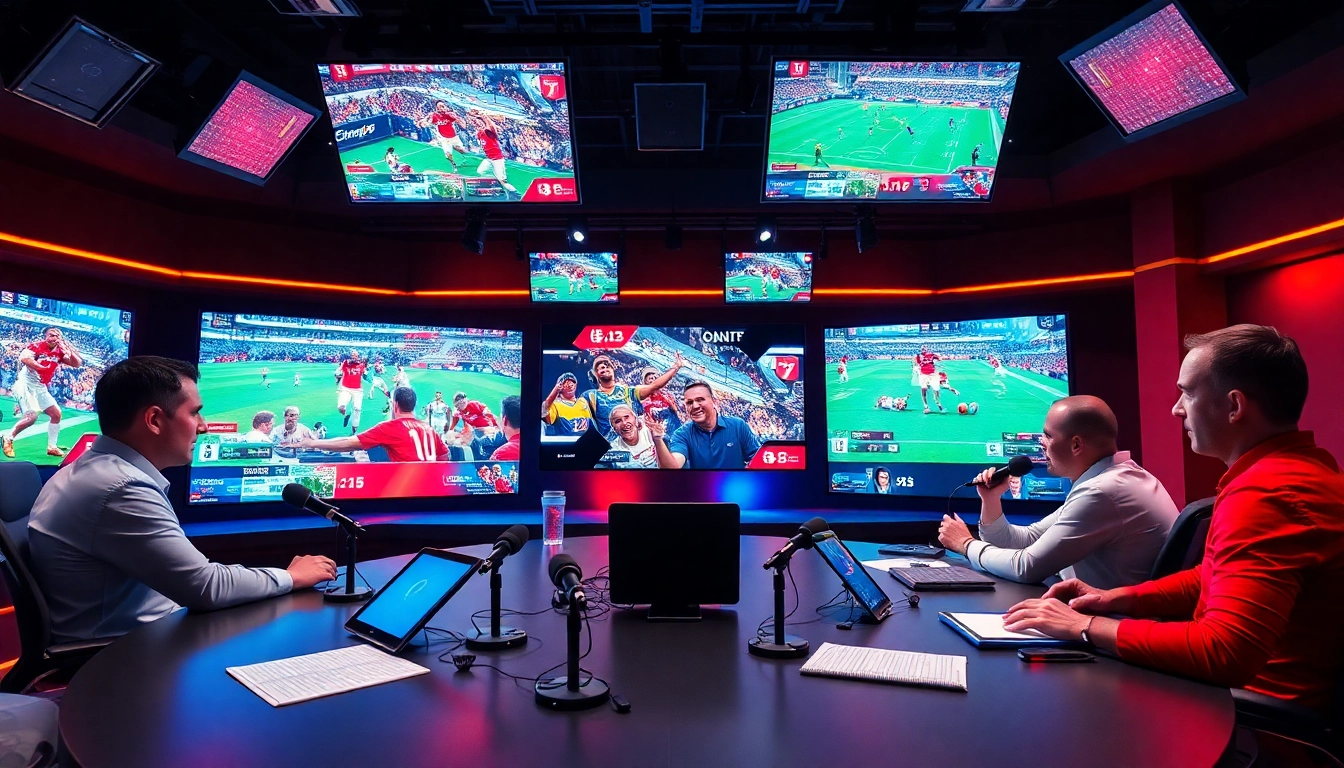
Understanding the Landscape of Sports Broadcasting
The Evolution of Sports Broadcasting
The landscape of Sports Broadcasting has undergone a remarkable transformation over the decades. Beginning in the early 20th century with radio broadcasts, sports broadcasting has evolved significantly. The introduction of television changed the dynamics, allowing millions to witness sports events live, increasing viewer engagement and creating a shared experience among fans.
In the late 20th century, cable television took sports broadcasting further, introducing dedicated sports channels that provided unfiltered access to a variety of sporting events. The rise of satellite TV in the 90s and 2000s further enriched content availability. Today, sports broadcasting continues to evolve with the advent of digital platforms, where streaming services deliver personalized content on demand, reshaping how fans interact with their favorite sports.
Key Players in the Sports Broadcasting Industry
The sports broadcasting industry consists of several key players, from traditional broadcasters to emerging digital platforms. Traditional networks such as ESPN, NBC Sports, and CBS Sports have dominated the market; however, the landscape is shifting. Companies like Amazon Prime Video, Hulu, and YouTube TV are entering the fray, offering live sports coverage and employing innovative streaming technology.
Sports leagues and teams also play a critical role; they negotiate broadcasting rights packages that can be worth billions. This dynamic shifts power towards leagues like the NFL, NBA, and UEFA, allowing them to dictate terms, significantly influencing which games are broadcast and how they are presented to audiences.
Current Trends Shaping Sports Broadcasting
The current trends shaping sports broadcasting are driven by technological advancements and audience expectations. One significant trend is the increasing use of streaming services, which allow viewers to watch games on-demand, eliminating the constraints of traditional broadcasting schedules.
Moreover, the integration of interactive features such as live stats tracking, viewer polls, and multiple camera angles enhances engagement. Additionally, the emergence of niche sports networks brings a wider variety of sports to dedicated audiences, catering to specific interests beyond mainstream sports.
Lastly, embracing social media for real-time engagement and feedback is transformative. Platforms like Twitter and TikTok are becoming vital for sharing highlights, engaging fans in conversations, and fostering community among sport enthusiasts.
The Role of Technology in Sports Broadcasting
Streaming vs Traditional Broadcasting
As viewers increasingly prefer flexible viewing options, the debate between streaming and traditional broadcasting intensifies. Streaming platforms offer advantages such as on-demand access, fewer geographical restrictions, and multi-device compatibility, allowing fans to watch games wherever they are.
Conversely, traditional broadcasting maintains a strong hold on certain audiences, particularly older demographics who favor established networks for their reliability and familiarity. Despite this, primary sports leagues are increasingly signing exclusive broadcasting agreements with streaming services, indicating a clear shift toward a digital-first broadcasting future.
Enhancements Through Augmented Reality
Augmented reality (AR) represents a significant frontier for sports broadcasting, enhancing viewer experiences in unprecedented ways. By overlaying digital information onto live broadcasts, AR creates immersive experiences that provide viewers with real-time data about players, statistics, and game strategies.
For example, graphics that display player trajectories during highlights or virtual advertisements that change dynamically enrich the viewing experience. These enhancements not only cause fans to stay engaged longer but also pave the way for targeted advertising suited to specific audience behaviors.
Data Analytics in Sports Broadcasting
Data analytics plays a critical role in shaping the future of sports broadcasting. Teams and broadcasters utilize data to derive insights about viewership patterns, allowing them to maximize engagement strategies and tailor content that resonates with their audiences. This data-driven approach is essential for optimizing schedules, determining the best times to air games, and even selecting camera angles for maximized viewer satisfaction.
Advanced analytics allow commentators to provide richer narratives during broadcasts, turning sports commentary into an engaging storytelling experience. Over time, this analcytics-informed approach can significantly impact viewer retention and loyalty.
Building a Strong Audience for Sports Broadcasting
Targeting Different Demographics
A successful Sports Broadcasting strategy requires identifying and targeting various demographics. Understanding the interests, behaviors, and needs of different audience segments can lead to tailored content delivery that resonates deeply with each group.
For example, young viewers may prefer content delivered through social media channels with an emphasis on highlights and short videos, while older audiences may enjoy more traditional formats presented through cable television. Data insights can help broadcasters create segmented marketing strategies that effectively reach and engage these diverse groups.
Engaging Fans Through Interactive Content
Fan engagement is bolstered through interactive content that encourages participation. Polls, quizzes, and live chats during games foster a sense of community and enhance the overall experience. Broadcasters can create dedicated social media pages that serve as a hub for sharing content, generating discussions, and providing real-time feedback.
Additionally, incorporating features such as virtual meet-and-greets with athletes, fan contests, and user-generated content can enhance engagement and transform the passive act of watching into an interactive experience.
Utilizing Social Media for Maximum Reach
Social media is a powerful tool for sports broadcasters to extend their reach and engage with fans. Platforms such as Twitter, Instagram, and Facebook allow parties to share highlights, news, and commentary while interacting with viewers in real time. Utilizing custom hashtags can facilitate discussions and brand visibility, while partnerships with influencers can extend outreach beyond traditional audiences.
Moreover, live streaming on social media platforms enables real-time engagement during events, allowing broadcasters to connect with younger audiences who consume content primarily through mobile devices. By actively participating in conversations and trends, broadcasters can remain relevant and top-of-mind for their audience.
Strategies for Monetizing Sports Broadcasting
Advertising Opportunities in Sports Broadcasting
Advertising is a primary revenue source in sports broadcasting, providing opportunities for brands to connect with engaged audiences. Display ads, sponsored segments, and pre-roll video ads can generate significant income streams while enhancing viewer experiences if done tastefully.
Broadcasters can leverage data analytics to identify high-value advertising spots, optimizing placements for maximum visibility, and influencing purchasing decisions. In-game sponsorships also create integrated marketing opportunities that resonate well with consumers during live broadcasts.
Subscription Models and Pay-Per-View Services
The growth of subscription-based and pay-per-view models reflects changing viewer preferences. Sports networks and digital platforms are increasingly adopting these models, allowing fans to pay for specific events or access exclusive content packages.
This shift provides broadcasters with scalable revenue options while allowing fans greater control over their viewing choices. Personalized offerings, such as tiered subscription plans that include additional features like DVR, multiple screens, and ad-free viewing, can maximize subscriber retention and satisfaction.
Sponsorship Deals and Partnerships
Strategic sponsorship deals and partnerships provide significant revenue-generating opportunities for sports broadcasters. Collaborations between brands and broadcasting networks can create co-branded content, enhancing both partners’ visibility and consumer engagement.
Effective partnerships can drive brand loyalty and expand reach by associating with sports entities that resonate with target demographics. Additionally, sponsoring specific sports events or leagues can offer brands meaningful visibility to committed fan bases, reinforcing brand identity among consumers.
Measuring Success in Sports Broadcasting
Key Performance Indicators for Sports Broadcasting
Measuring success in sports broadcasting incorporates various Key Performance Indicators (KPIs) essential for understanding audience engagement and revenue generation. Metrics such as viewership numbers, subscriber counts, and advertising revenue directly indicate performance.
Additionally, KPIs related to social media engagement—likes, shares, and comments—provide insights into audience interest and interaction. Understanding these metrics can guide strategic decisions and resource allocation, helping broadcasters maximize reach and engagement.
Audience Engagement Metrics
Beyond just raw viewership numbers, evaluating audience engagement metrics forms the basis for understanding viewer loyalty and satisfaction. Engagement metrics—including viewer retention rates, interactive content usage, and audience feedback—offer insights into how content resonates with viewers.
By analyzing customer feedback through surveys and social media sentiment analysis, broadcasters can capture the pulse of their audience, tailoring content strategies to enhance future engagements and foster long-term viewer relationships.
Future Predictions for Sports Broadcasting
Looking ahead, several trends may shape the future of sports broadcasting. As digital platforms continue to gain traction, we can expect an increase in personalized content delivery that aligns with viewer preferences. Additionally, the potential integration of virtual reality and artificial intelligence could redefine fan experiences, providing new ways for audiences to engage with sports.
Moreover, as competition intensifies, innovations in technology will lead to faster production times and enhanced interactive features, setting new benchmarks for audience engagement and satisfaction. Broadcasters will need to constantly adapt to these changes, ensuring they remain relevant in a rapidly evolving landscape.
FAQs on Sports Broadcasting
What is Sports Broadcasting?
Sports Broadcasting refers to transmitting live or recorded sports events to audiences through television, radio, or online platforms.
How has sports broadcasting evolved over the years?
It has advanced with technology, moving from radio broadcasts to live streaming, mobile applications, and interactive platforms.
What role does technology play in sports broadcasting?
Technology enhances viewer experiences through high-definition broadcasts, instant replays, and interactive features, making events more engaging.
How do sports broadcasters monetize their content?
Revenue is generated through advertisements, subscription models, pay-per-view services and sponsorship deals with brands and organizations.
What are the future trends in sports broadcasting?
Future trends include increased use of virtual reality, enhanced interactivity, personalized content delivery, and the expansion of streaming services.